Cart 0


About TrueFiktion

Our Philosophical Belief

We believe that social studies is the most important subject in schools. To thrive in this world, students need high-quality, interdisciplinary, and cross-curricular social studies learning experiences. Without a high-quality social studies curriculum, students will not understand the world they live in and won't have the agency to take the actions they need to pursue positive life outcomes. To provide high-quality social studies resources, we need to translate academic research and learning science into accessible formats. Often, narratives that show historically marginalized groups having agency in history are not accessible to students. Many of these narratives appear in academic journal articles and dissertations, often written in academic language. Textbooks provide surveys and summaries of topics and rarely offer deep research into these untold narratives. These narratives can increase student engagement and drive rigor in historical thinking. 


We believe comics will be the future of learning because they are multimodal learning resources that let students easily access the latest historical and learning-science research. In our research and product development, we have created ways to make historical research more accessible. In designing the book, we created multiple approaches to using learning science in teaching comics. Comics are efficient tools for multimodal learning across English Language Arts and Social Studies. Graphic narratives can present the stories of historically marginalized people in an engaging way that humanizes their experiences.


Our Approach

A graphic inquiry is a comic that is designed to teach social studies lessons using inquiry-based pedagogy. The graphic narrative contextualizes primary and secondary sources. It serves as a case study to help students answer an essential question through a fictional character whose story is based on real lived experiences. A graphic inquiry uses a narrative framework that takes a specific approach to using historical sources to craft the story.  Our narrative framework centers on agency. We show characters having agency in history by focusing on gaps in history, moments of resilience, and themes relevant to current social issues. The narrative framework drives how the inquiry can be used. For example, March and Maus are graphic novels, but they are not graphic inquiries by themselves because they don’t include a built-in inquiry unit. Building an inquiry around March and Maus and primary sources would make the materials a graphic inquiry. Both books are long-form graphic novels and use an autobiographical narrative framework to present historical information. TrueFiktion’s graphic inquiries differ in that our narrative approach focuses on agency and the use of fictional characters. The inquiry portion includes primary and secondary sources to help students answer the supporting questions. The graphic portion serves as a multimodal access point for critical thinking. The graphic narrative takes a historiographic fiction approach. The category is a platform because the large catalog of resources allows students to engage in critical thinking consistently over time. The platform allows teachers to drive student learning through leveraging technology alongside the graphic inquiries. 


Our Agency Framework


We believe that a student’s true agency blossoms when they see themselves genuinely reflected in their education. Without this connection, engagement wanes, and the potential for agency remains untapped. We use three guiding pillars to build agency into our products.


Gap

We start with gaps in general history knowledge. We pick stories that you likely won’t find in a text­book but are essential to the formation of American society.

Resilience

Every story we tell highlights the resilience of marginalized communities. It is essential to highlight traumatic moments in history, but we must also look past those moments to see how communities have endured. 

Relevance

History education should be relevant. We choose stories that help us know how historical events contribute to current social issues.


Students learning about japanese internment using comic books


Our Team

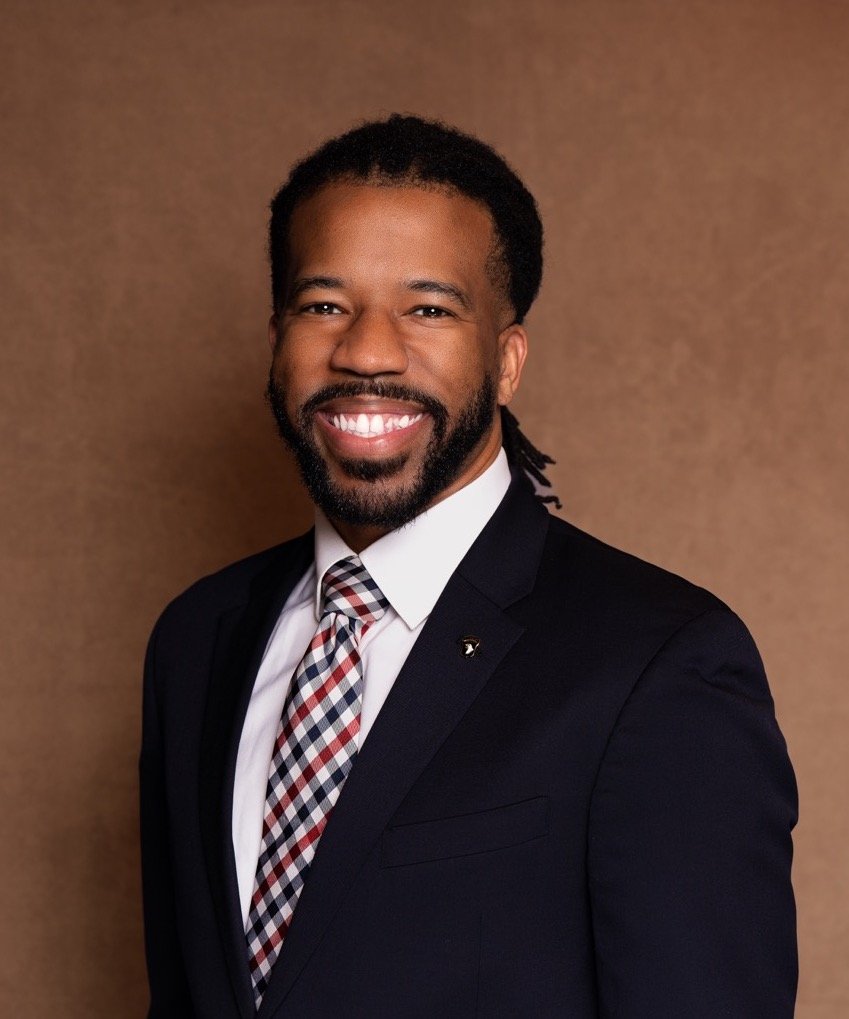
Image of Stephane Manuel
 

Stephane Manuel, Founder

“One thing my history education didn't do was help me understand the social issues happening in my community. As a result, I always felt like I didn't have agency in improving my community because I wasn't equipped with the right knowledge or mental models. Had I seen myself meaningfully represented in my history education, I would've been able to use that education to make my community better.

Social studies resources, especially textbooks, aren't designed to help students from historically marginalized groups solve problems in their communities. I decided to create content to help teachers and students - especially those from marginalized communities - learn history in an authentic, engaging way."

– Stephane Manuel, Founder of TrueFiktion

 
Ava Gyurcsik image
 

Ava Gyurcsik, Head of Research and Chief of Staff

I am interested in understanding how history shapes our present and can be used to guide the future. History is not just a series of events on a timeline– I believe the power of history lies in its ability to span time and space, uncovering truths that help us better grasp the world around us. After completing a BA in History from the University of Cincinnati, I completed a MA at King’s College London in European and International Politics to further my understanding of how the past shapes our current socio-political orders.

History holds little value if we cannot understand or access it. At TrueFiktion, I’m passionate about bringing untold stories of American history to life in ways that are approachable and engaging, ensuring more people can see themselves reflected in their history education and develop a richer understanding of the past.

 
Nicky Soh Image
 

Nicky Soh, Editor

“As the late Stan Lee once said, ‘A picture is worth a thousand words, but a comic is worth a million.’ If that comic can become an educational resource that helps students connect with history, stay engaged, and develop critical thinking skills, then it is a comic worth creating especially for the next generation.”

“At TrueFiktion, we’re passionate about making comics that are not just fun to read, but meaningful. I’m excited to create historical context comics of the highest quality. Stories that inspire students to learn, help more people see themselves reflected in their history education, and spark curiosity that connects the past to the present. ”


Olivia Mitchell, Brand and Marketing

What I enjoy most about being a marketer is helping people find what they need to become better versions of themselves. Not only does TrueFiktion help students think more critically about history, but it also helps social studies educators become more skilled at and comfortable with bringing innovative practices to the classroom. I'm excited to continue connecting the TrueFiktion brand with students and educators who want to enhance their understanding of history, comics, and, most of all, the world around them.


TrueFiktion Collaborators

We’re not rewriting history. We’re recovering it with a diverse community of educators, storytellers, historians and artists.


Students learning about Borinqueneers